
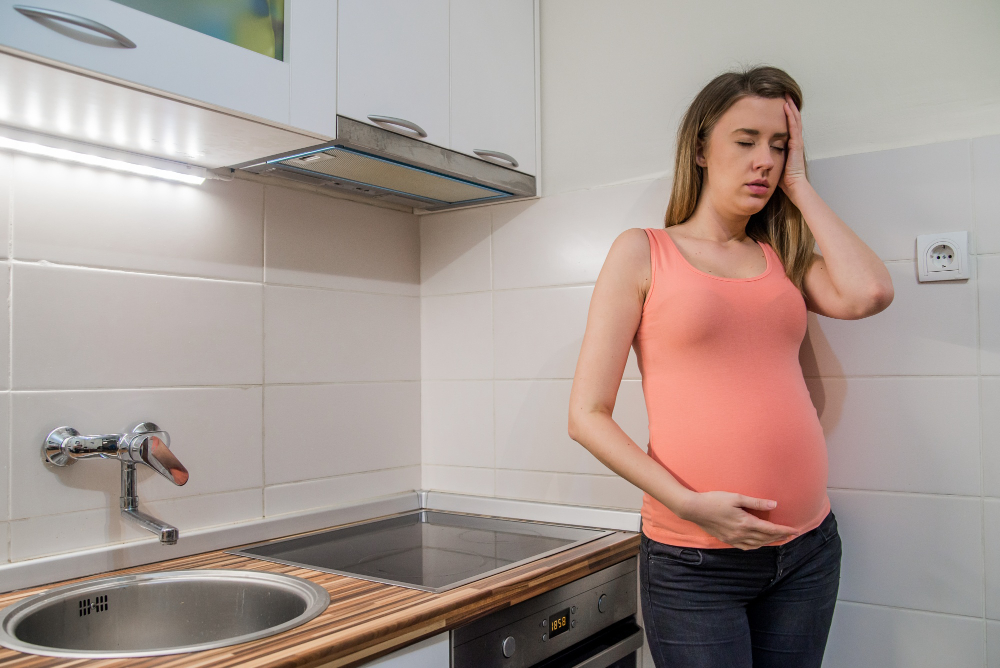
What Is Hyperemesis Gravidarum?
Hyperemesis gravidarum is a severe form of morning sickness. It causes extreme nausea and vomiting during pregnancy. Unlike regular morning sickness, this condition can lead to dehydration and weight loss. Many women find it hard to eat or drink. As a result, daily life can become very difficult. Although it is rare, it can have a big impact on health. Early prevention and care are important for both mother and baby.
Why Prevention Matters
Preventing hyperemesis gravidarum helps protect your health. Severe morning sickness can cause problems like dehydration, low weight, and even hospital stays. In some cases, it may affect the baby’s growth. Therefore, taking steps to reduce severe morning sickness is important. Early action can make pregnancy safer and more comfortable. Even small changes can help prevent pregnancy nausea from getting worse.
Top Preventive Tips for Hyperemesis Gravidarum
Diet and Nutrition Strategies
Eating the right foods can help prevent severe nausea. For example, small and frequent meals are easier to handle. In addition, bland foods like crackers or toast may help settle your stomach. Here are some helpful tips:
In some regions, local foods like rice porridge or plain bread can be gentle on the stomach. Always listen to your body and adjust your diet as needed.
Hydration and Fluid Intake
Staying hydrated is very important. However, drinking large amounts at once can make nausea worse. Instead, try these tips:
Moreover, using a straw or drinking cold fluids may help reduce the urge to vomit. If you cannot keep fluids down, seek medical help right away.
Lifestyle Modifications
Simple changes in your daily routine can make a big difference. For instance, getting enough rest helps your body cope with pregnancy changes. Here are more tips for hyperemesis gravidarum prevention:
Additionally, some women find that acupressure wristbands help reduce nausea. However, always check with your doctor before trying new remedies.
When to Seek Medical Help
Sometimes, home tips are not enough. If you have any of the following, contact your healthcare provider:
Early medical care can prevent serious problems. Your doctor may suggest safe medicines or other treatments to help you feel better.
Frequently Asked Questions
In summary, preventing or reducing the severity of hyperemesis gravidarum may be possible with early care and appropriate management.
Consult the specialists at Sanjeevani Hospital for personalized guidance, timely evaluation, and support in managing severe nausea and vomiting during pregnancy.